


Most people reach for BBQ sauce without a second thought, until they flip the bottle over. The ingredient list on a typical BBQ sauce can be surprisingly long, and sugar (in one form or another) usually shows up more than once.
Sugar-free BBQ sauce promises something different, but what's actually inside those bottles, and how do you know if a label is telling the whole story?
We put together this guide to answer exactly that: what you'll typically find in traditional BBQ sauce, what "sugar-free" and "no added sugar" actually mean, and how to spot a cleaner BBQ sauce at a glance.
What's in Traditional BBQ Sauce?
Before evaluating a sugar-free option, it helps to know what a conventional BBQ sauce label actually looks like.
The typical lineup includes tomato paste, vinegar, molasses, high fructose corn syrup, and "natural flavors." That's before sugar shows up under a second or third name.
Condiments can be deceptive because the serving sizes look small, but they're often used across multiple meals and recipes. The sugar can add up quickly without being obvious.
Common Sources of Added Sugar
-
High fructose corn syrup
-
Cane sugar
-
Brown sugar
-
Molasses
-
Dextrose
-
Fruit juice concentrate
Many BBQ sauces contain more than one of these ingredients, which is why reading the full ingredient list matters.
What Does "Sugar-Free" Mean?
The phrase "sugar-free" has a specific meaning on food labels, but it doesn't always mean what shoppers expect.
By FDA guidelines, a product can be labeled sugar-free if it contains less than 0.5 grams of sugar per serving. "No added sugar" is a separate claim, meaning no sugars were added during production, though naturally occurring sugars from ingredients like tomatoes or fruit may still be present.
For many shoppers, "no added sugar" is often the more useful claim because it focuses on how the product is made rather than relying on serving-size calculations.
Where the Flavor Comes From

Removing sugar doesn't mean removing flavor. It simply means the flavor remains authentic and has to come from real ingredients instead.
Real Vegetables and Fruits
Carrots, butternut squash, and tomatoes all contribute natural sweetness and depth. A sauce built on real produce gets body, balance, and familiarity without relying on added sugar.
When comparing labels, look for vegetables, fruits, or tomato products near the top of the ingredient list. That's often a sign that the flavor is coming from food rather than sweeteners.
True Made Foods builds its BBQ sauces this way, using vegetables and fruits as the flavor foundation rather than corn syrup.
Spices, Vinegar, and Smoke
Apple cider vinegar provides tang, while ingredients like smoked paprika, garlic, onion, and peppers help create the savory, smoky flavor people expect from BBQ sauce.
When these ingredients lead the flavor profile, the sauce tends to taste more balanced and less dependent on sweetness.
The difference between a well-made no-added-sugar sauce and a conventional one often comes down to whether real ingredients or sweetener systems are doing the work.
Red Flags on a BBQ Sauce Label
Not every sugar-free BBQ sauce is built the same way.
Some products replace sugar with ingredients that deserve a second look:
-
Artificial sweeteners such as sucralose or acesulfame potassium
-
Sugar alcohols such as maltitol
-
Multiple sweetener substitutes in the same formula
-
Vague ingredient descriptions like "natural flavors"
-
Vegetable concentrates instead of whole or pureed vegetables
None of these ingredients are automatic deal-breakers, but they're worth noticing when you're looking for a cleaner condiment made from recognizable ingredients.
Read a BBQ Sauce Label in 60 Seconds
You don't need a nutrition degree to make a smarter choice at the grocery store.
Step 1: Check Added Sugars
Look at the Nutrition Facts panel and check the "Added Sugars" line. This is often the quickest indicator of how much sugar has been added during production.
Step 2: Scan the First Few Ingredients
Tomatoes, vegetables, vinegar, and spices are generally good signs. If sugar or sweeteners appear among the first ingredients, take a closer look.
Step 3: Look for Sweetener Substitutes
Ingredients such as erythritol, sucralose, monk fruit, or stevia may appear lower on the ingredient list. Understanding how a sauce achieves its sweetness can help you decide whether it's the right fit for your preferences.
Once you know what to look for, label reading becomes much faster than most people expect.

A Real-Food Approach to BBQ Sauce
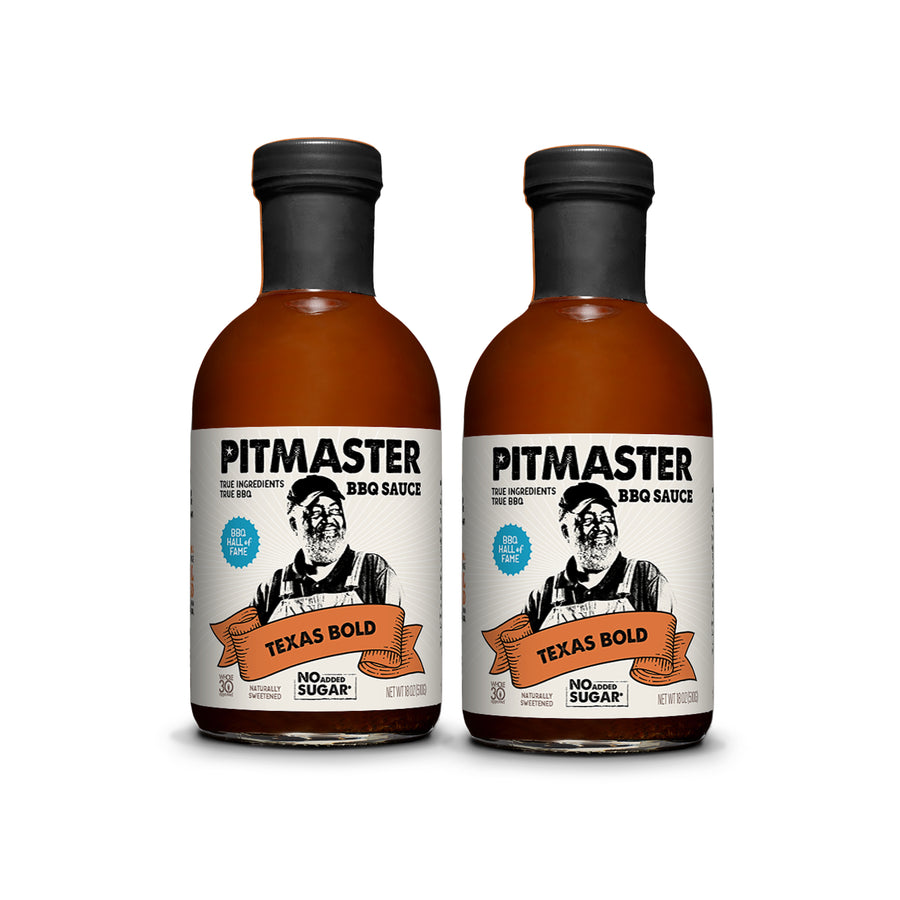
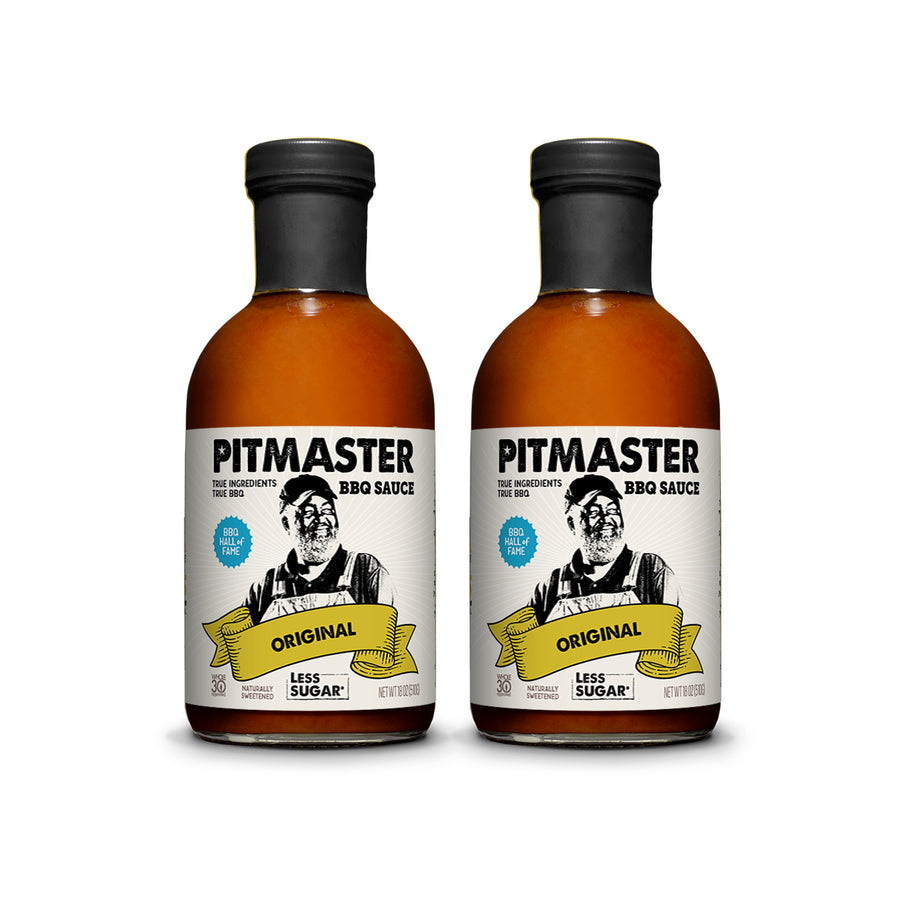
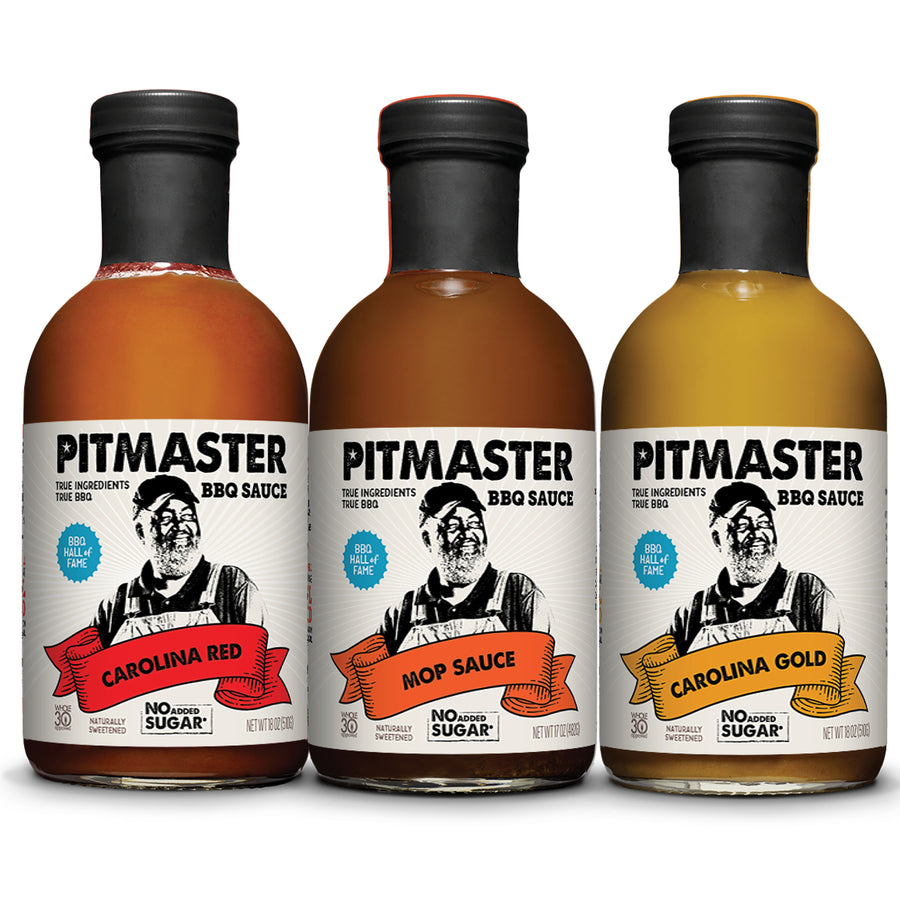
True Made Foods makes no-added-sugar BBQ sauces built on vegetables and fruits, with 0 grams of added sugar per serving and ingredient lists made from recognizable foods.
The flavor stays smoky, tangy, and balanced because the sweetness comes from ingredients like carrots, butternut squash, and tomatoes rather than corn syrup or refined sugar.
Whether you're grilling, marinating, dipping, or meal prepping, the swap is simple because the sauce is designed to work the same way traditional BBQ sauce does.
FAQs
Does sugar-free BBQ sauce taste different?
A well-made sugar-free BBQ sauce should still taste smoky, tangy, and balanced. The difference is often far less noticeable than people expect.
Is no added sugar the same as sugar-free?
No. "No added sugar" means no sugars were added during production, while "sugar-free" refers to the amount of sugar present per serving.
What should I look for in a cleaner BBQ sauce?
Look for tomatoes, vegetables, vinegar, fruits, and recognizable spices near the top of the ingredient list.
Let the Label Do the Talking
Reading a BBQ sauce label doesn't have to feel complicated.
Once you know where to look for added sugars, sweetener substitutes, and real ingredients, it becomes much easier to identify sauces that align with your preferences.
If you're looking for a BBQ sauce made with real vegetables, no added sugar, and recognizable ingredients, start with the label. It usually tells you everything you need to know.
Browse True Made Foods' collection of no-added-sugar BBQ sauces and check the ingredient list yourself.


