


Day one of Whole30, and dinner feels sorted: grilled chicken, simple sides, BBQ sauce from the pantry. Then comes the label check. Sugar is listed in the first three ingredients. Sometimes it shows up four times under four different names. The bottle goes back on the shelf, and suddenly, BBQ night feels like a problem to solve.
This is where most people hit their first real Whole30 wall. BBQ flavor is non-negotiable, but nearly every store-bought sauce is loaded with added sugar and off-plan additives that disqualify it on the label alone. The good news is that finding a Whole30-compliant BBQ sauce, or knowing how to spot one, is more straightforward than it sounds.
This blog covers why most sauces fail the label check, what a compliant one looks like, how it compares to paleo and keto options, and how to use it across real weeknight meals.
Why Most BBQ Sauces Don't Make the Cut on Whole30
Most people are surprised by how much sugar hides in a standard BBQ sauce, and by how many forms it takes on a label. A single two-tablespoon serving of a popular store-bought option can pack 10 to 12 grams of added sugar. That is more than two teaspoons in one condiment serving.
The Many Names for Sugar on a Label
Added sugar rarely shows up as just "sugar." On BBQ sauce labels, it appears as high fructose corn syrup, molasses, honey, cane juice, brown sugar, dextrose, maltose, and fruit juice concentrate, among others. Every single one of those disqualifies a sauce on Whole30, no matter how natural or organic it sounds.
Beyond sugar, common disqualifiers include sulfites, carrageenan, and various off-plan preservatives. A label that says "natural" or "organic" describes sourcing, not ingredient standards. Those front-of-bottle claims tell us nothing useful. The ingredient list on the back is the only thing that matters, and it requires a close read every time.
What Makes a BBQ Sauce Whole30 Compliant
Once we know what knocks a sauce out, spotting a compliant one gets much easier. The ingredient list is the only label doing real work here.
Short Ingredient Lists and Real Flavor Builders
A compliant BBQ sauce keeps its list short and readable. Every item should be recognizable: a vegetable, a fruit, a spice, or a base such as tomatoes or vinegar. Real vegetables and fruits, such as carrots and squash, and small amounts of fruit for natural depth, replace the role that added sugar plays in conventional sauces.
Smokiness comes from smoked paprika, chipotle, or compliant natural smoke flavoring. Depth comes from vinegar, garlic, onion, and layered spices. A well-built, compliant sauce does not taste like a compromise. It delivers bold, familiar BBQ flavor without any added sugar.
How Whole30 BBQ Sauce Stacks Up Against Paleo and Keto
Whole30 is not the only reason to reach for a cleaner BBQ sauce. Paleo and keto eaters run the same label checks, and a truly compliant option tends to work across all three frameworks.
Where the Rules Overlap and Where They Differ
All three approaches agree on one thing: no added sugar in BBQ sauce. Where they part ways is in the details.
-
Paleo allows natural sweeteners like honey and maple syrup in moderation, which Whole30 does not permit at all.
-
Keto focuses on keeping net carbs low, which can rule out fruit-heavy sauces even when they contain no added sugar.
-
Whole30 draws the hardest line: no sweeteners of any kind, no off-plan additives.
A no-added-sugar sauce built on vegetables and compliant spices satisfies all three frameworks at once, making it a practical pantry choice regardless of which approach someone follows.
How to Use Whole30 BBQ Sauce in Everyday Meals

A compliant sauce earns its place in the pantry by working across real meals, not just on a grill under ideal conditions.
Weeknight Proteins and Beyond the Grill
Chicken thighs, ribs, pulled pork, and sheet pan dinners all work well with a good BBQ sauce, whether they go on the grill, into the oven, or into a slow cooker. Use it as a marinade before cooking, brush it on as a glaze in the last few minutes of heat, or serve it alongside roasted vegetables and simple proteins as a dipping sauce.
A slow cooker pulled pork with compliant BBQ sauce requires almost no active time and feeds a family without any fuss. That kind of repeatable, low-effort use is exactly what makes a good sauce worth keeping on hand.
Finding a Store-Bought Option That Actually Works
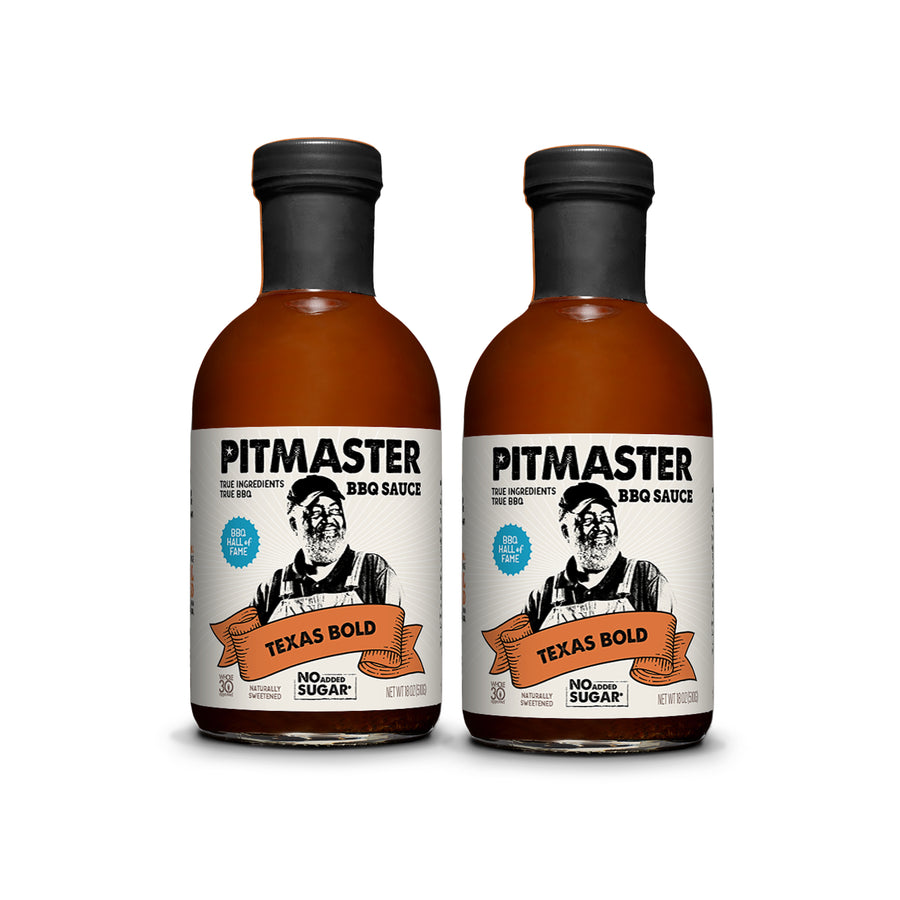
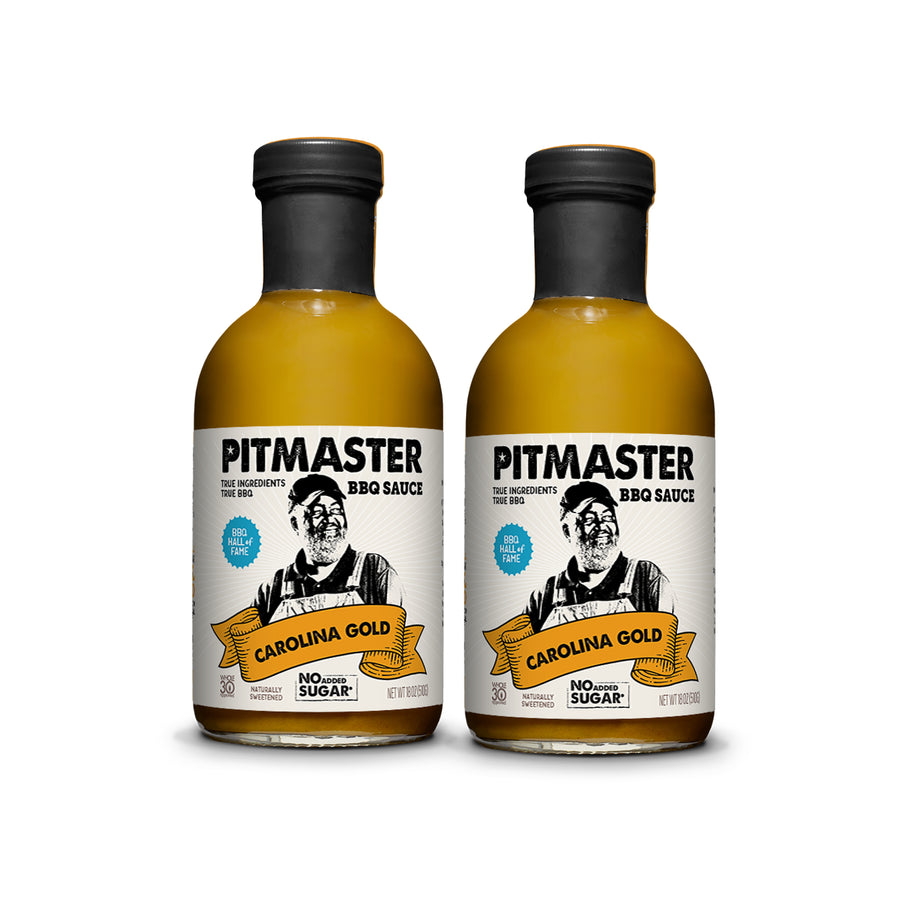
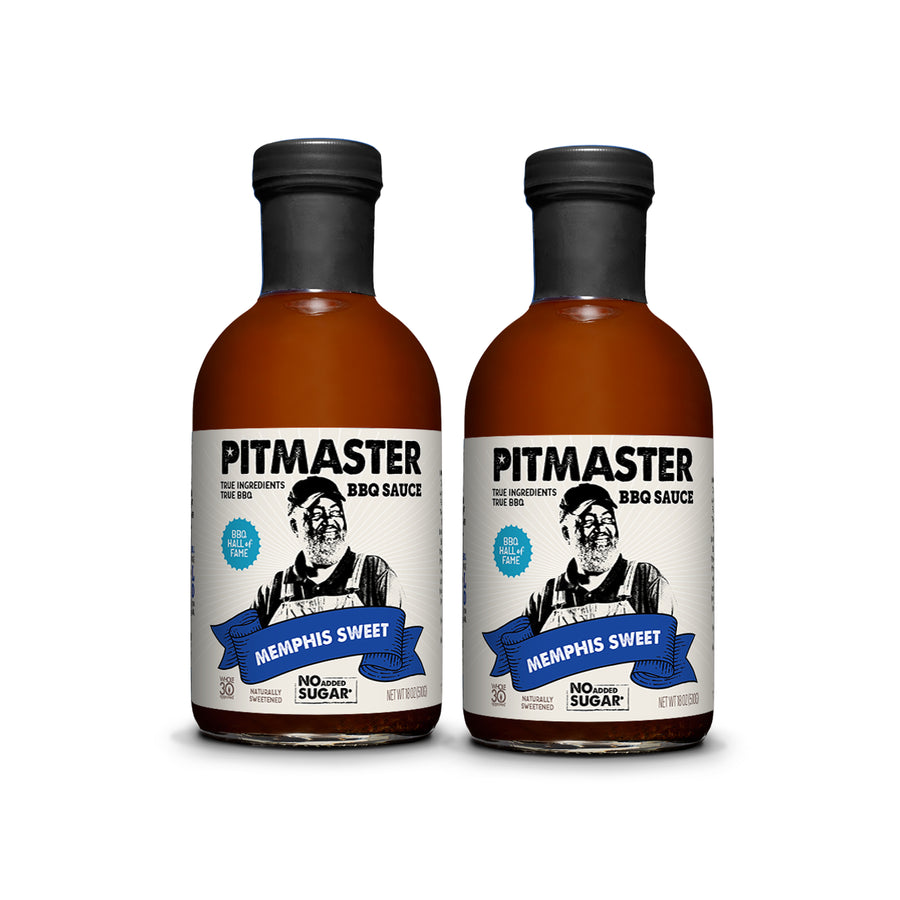
Not everyone has time to make sauce from scratch, and a good store-bought option should meet the same label standards as anything homemade.
What to Look For and What to Skip
Before buying, check three things:
-
No added sugar in any form
-
No off-plan additives like sulfites or carrageenan
-
A short ingredient list built on recognizable whole foods
Red flags include any sweetener in the first five ingredients, vague "natural flavors" without further clarity, and bold health claims on the front that do not match what is printed on the back.
If you want a deeper breakdown of how to spot misleading labels, check out our guide on Whole30: real vs fake BBQ sauce to understand what separates clean ingredients from marketing claims.
Where True Made Foods Fits Into Whole30
True Made Foods was built to solve one simple problem: hidden sugar in everyday condiments. The BBQ sauces skip added sugar and use real vegetables for natural depth, while still tasting like classic BBQ.
For Whole30, that matters because the goal is not to eat differently but to keep the meals familiar using compliant ingredients. A True Made Foods BBQ sauce on grilled chicken or slow-cooker ribs does not change the meal. It removes the added sugar that would have disqualified it.
This makes it one of the easiest swaps for anyone looking for a Whole30-approved BBQ sauce without sacrificing flavor.

FAQs
Is BBQ sauce allowed on Whole30?
Yes, but only if it contains no added sugar or off-plan ingredients. Most store-bought versions do not qualify, so label reading is essential.
Can I use honey or maple syrup in a Whole30 BBQ sauce?
No. All added sweeteners, including natural ones like honey and maple syrup, are off-limits on Whole30. A fruit-and-vegetable-based flavor is the compliant alternative.
Is Whole30 BBQ sauce also paleo and keto?
Often yes. No-added-sugar sauces tend to align across all three approaches, though small differences in what each plan allows mean it is worth checking specific ingredients against each framework.
What should I look for on a BBQ sauce label?
A short ingredient list, no added sugars in any form, no off-plan additives, and real vegetables or fruits listed as primary flavor sources.
BBQ Flavor on Whole30 Is Not a Tradeoff
Whole30 does not mean giving up BBQ flavor. It means being more intentional about what is in the bottle. A clean label, real ingredients, and familiar taste can all exist in the same sauce.
The swap is simpler than most people expect, and it does not require making anything from scratch or settling for a lesser version of the real thing. Start with one simple change: replace your current bottle with a no-sugar BBQ sauce built from real ingredients.
Explore True Made Foods' BBQ sauces and make your next Whole30 meal easier, cleaner, and just as satisfying.


