


Grilled fish is one of those weeknight wins that feels impressive right up until it sticks to the grate, falls apart mid-flip, or comes off tasting bitter and charred. The recipe usually isn't the problem, but the prep, the seasoning, and the sauce might be.
Here's what actually makes the difference, from choosing the right fish to using the right seasoning and sauce.
Start With the Right Fish for the Grill
Not every fish handles direct heat well. Firm-fleshed varieties hold up far better than thin, delicate fillets that fall apart the moment they hit the grate. Salmon, tuna, swordfish, mahi-mahi, and halibut are the most reliable choices. They stay intact, develop a good sear, and carry seasoning without turning to mush.
Freshness is the foundation. Look for firm flesh, a clean smell, and no dryness around the edges. Thin, delicate fillets like tilapia do better in a grill basket, which helps prevent them from sticking or falling apart.
If you're grilling frozen fish, thaw it completely and pat it dry before seasoning for the best texture and grill marks.
How to Prep Fish So It Actually Holds Together
What you do before the fish hits the grill matters as much as anything that happens on it. Pat the fish completely dry first. Surface moisture prevents a proper sear and worsens sticking. Then oil the fish itself, not just the grates. A light coat on both sides creates a barrier between the flesh and the metal.
After seasoning, let the fish rest for 5 to 10 minutes before it goes on the heat. This helps the rub stick and evens out the surface temperature. For skin-on fillets, start with the skin side down. The skin acts as a natural shield against direct flame and crisps up into something worth eating.
Getting the Grill Ready Before the Fish Goes On
A cold or dirty grill is one of the most common reasons for fish sticks. Preheat for 10 to 15 minutes before adding anything. For most fish, medium-high heat in the 400°F to 450°F range gives a clean sear without overcooking the interior.
Brush the grates right before cooking, then oil them. For thinner fillets, direct heat works fine. For thicker cuts like swordfish steaks, start over direct heat and finish over indirect heat. That gives you more control and keeps the outside from cooking faster than the inside.

The Best Seasoning for Grilled Fish and the No-Sugar Rule
Seasoning is where grilled fish goes from good to great, or from great to burned. The right rub builds a crust, locks in moisture, and adds flavor without masking the fish. But many store-bought rubs and sauces contain added sugar, and on a hot grill, that sugar burns quickly.
Why a Dry Rub Works So Well on Fish
A dry rub forms a thin, flavorful crust that helps hold moisture in during grilling. The key is choosing spices that complement the fish rather than compete with it. Smoked paprika, garlic, cumin, black pepper, and a bit of citrus zest work well on most varieties. Heavy, meat-forward blends can overwhelm lighter proteins.
Apply a light, even coat and press the rub gently into the flesh 5 to 10 minutes before grilling, not hours ahead. Salt and acidic ingredients can begin affecting delicate fish if left on too long. A good BBQ rub for fish delivers bold grilled-fish flavor without overpowering the seafood.
The Hidden Sugar Problem in Rubs and Sauces
Many BBQ rubs include brown sugar or cane sugar among the first ingredients. On beef or pork, that sugar has time to caramelize. Fish cooks much faster, so the sugar can burn before the fish is fully cooked, resulting in a bitter, charred exterior.
The same issue applies to finishing sauces. A sugar-heavy sauce brushed on too early can burn instead of glaze. Check the ingredient list before buying. Look for rubs and sauces where sugar isn't one of the first ingredients, or choose no-added-sugar options.
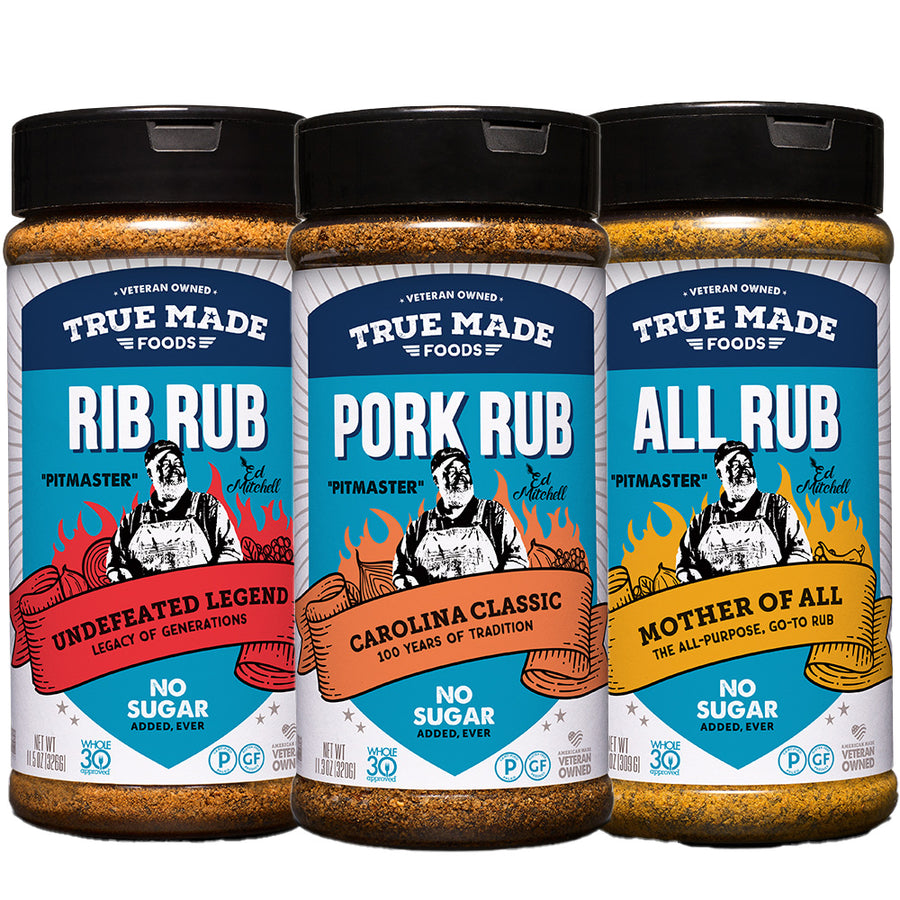
True Made Foods BBQ rubs are made with real spices and no added sugar, making them a great option for grilled fish. Pair them with a no-added-sugar BBQ sauce for bold flavor without the burnt finish.
Grilling Techniques That Actually Work
Once the fish is on the grill, patience is the most important rule. Flip it only once. Repeatedly moving it tears the flesh and causes it to stick. Fish are released naturally from the grate when it's ready. If it resists, give it another minute.
Cooking fish to an internal temperature of 145°F is a safe bet. As a general guide, grill fish for about 3 to 4 minutes per half-inch of thickness per side, depending on the cut and heat level.

Sauces and Finishing Touches That Don't Undo Your Work
Sauce timing changes everything. Apply sauce after the flip or once the fish comes off the heat, never at the start. Early saucing can cause burning, especially when sauces contain added sugar.
Light, bright finishing options work best. A squeeze of lemon, a clean hot sauce, or a light coating of no-added-sugar BBQ sauce adds flavor without overpowering the fish.
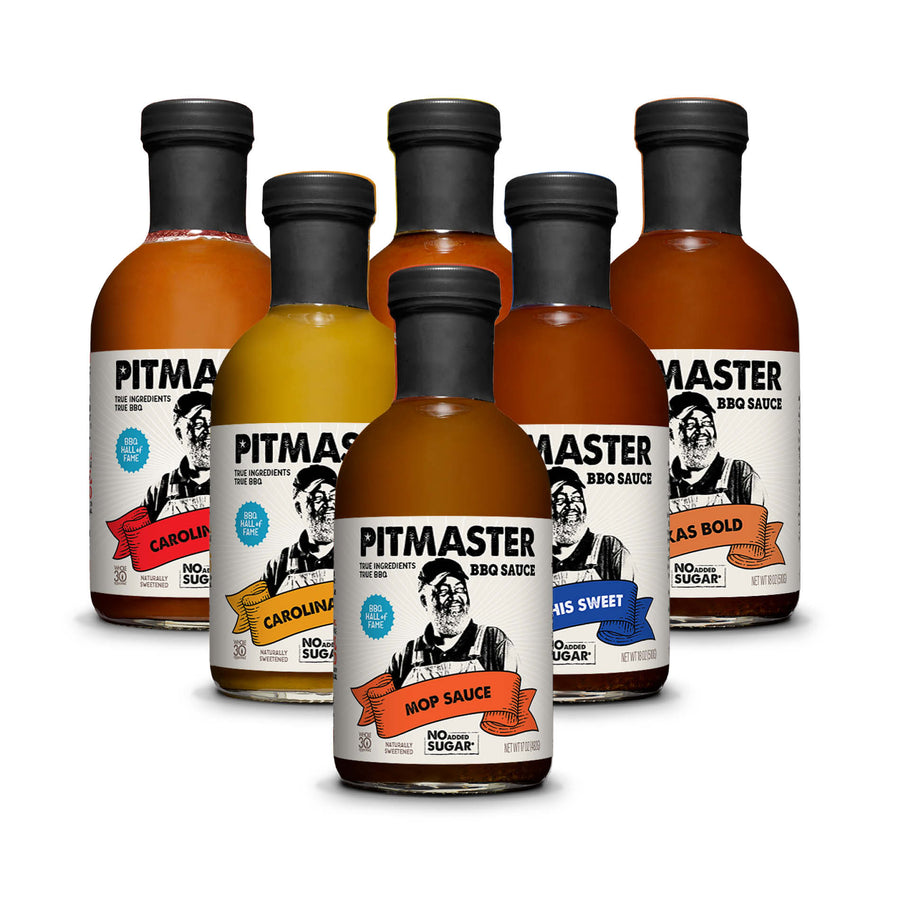
True Made Foods hot sauce and BBQ sauces work well as finishing sauces because they're made with real ingredients and no added sugar, helping you avoid the burnt sweetness that traditional sauces can leave behind.
Common Mistakes That Ruin Grilled Fish (and Easy Fixes)
Even experienced grillers run into the same few problems when cooking fish. The good news is that most of them are easy to avoid with a few simple adjustments.
-
Moving the fish too soon: Wait until it releases naturally before flipping.
-
Skipping the drying and oiling step: Pat the fish dry, lightly oil the fish, and oil the grates.
-
Adding sauce too early: Wait until the final minutes of cooking or after grilling.
-
Overcooking: Fish continues cooking after it's removed from the grill. Take it off just before it's fully done and let the carryover cooking finish the job.
Keeping these tips in mind helps you get flaky, flavorful fish with a crisp exterior every time you grill.
FAQs
What's the best way to keep fish from sticking to the grill?
Start with clean, preheated grates and lightly oil both the grill and the fish. Then leave it alone until it naturally releases.
Can I use BBQ rub on fish?
Yes. Choose a rub that's balanced for seafood and made without added sugar. Fish cooks quickly, so sugar-heavy rubs can burn before the fish is done.
How do I know when grilled fish is done?
Fish is done when it reaches an internal temperature of 145°F, turns opaque, and flakes easily with a fork.
Why does my grilled fish taste bitter or charred?
One common cause is added sugar in rubs or sauces, which can burn over high heat. Choosing no-added-sugar seasonings and applying sauce later in the cooking process helps prevent this.
Grilling Fish Well Starts With Better Ingredients
Firm fish, dry prep, oiled grates, a clean rub, and a well-timed sauce all make a difference. None of these steps are complicated, and they're easy to repeat every time you grill.
One of the biggest improvements you can make is choosing no-added-sugar rubs and sauces. They let the fish's natural flavor shine while helping prevent burnt, bitter flavors at high heat.
Ready to fire up the grill? Explore True Made Foods' collection of no-added-sugar BBQ rubs, BBQ sauces, and hot sauces for bold flavor that pairs perfectly with seafood.


