


Smoking meat sounds like a weekend project reserved for people with a dedicated setup and years of practice, but it isn't. Once you understand what's actually happening inside the smoker, the process becomes much easier.
This blog covers the gear, cuts, wood, seasoning, and steps from start to finish, so your first smoke produces something worth doing again.
What Smoking Actually Does to Meat
Smoking cooks meat slowly over low heat while exposing it to wood smoke. That combination gradually breaks down connective tissue and fat in tougher cuts in a way that high-heat grilling simply can't. The smoke reacts with proteins on the surface, helping form the bark, a flavorful, deeply browned outer crust that gives smoked BBQ its signature texture and taste.
Since the process builds flavor from the inside out, well-smoked meat doesn't need a heavy sauce to taste great. The smoke, the fat, and the seasoning do most of the work. When you do reach for sauce, it's a finishing touch rather than a cover-up.
What Equipment You Actually Need to Get Started
Beginners don't need an expensive setup. Charcoal smokers offer great heat and smoke control, electric smokers are the easiest to use, and gas smokers are a middle ground. Even a kettle grill can smoke meat using indirect heat and wood chips or chunks.
The real non-negotiables for smoking meat at home are:
-
A reliable meat thermometer
-
Your preferred smoking wood
-
A drip pan to help stabilize the cooking environment
Tongs, a basting brush, and heat-resistant gloves round out a practical BBQ toolkit. Skip the specialty accessories until you've completed a few cooks and know what you actually need.
The Best Meats to Smoke if You're Just Starting Out
Start with forgiving cuts. Chicken thighs, pork shoulder, and spare ribs are excellent entry points for beginners. They contain enough fat to stay moist during long cooks and enough flavor to reward the smoking process even if your temperature isn't perfectly consistent.
Fat content and cut size directly affect cooking time and your margin for error. Fattier cuts tolerate small temperature swings much better than lean cuts like pork loin or brisket.
Choosing the Right Wood for the Right Meat
Wood has a significant impact on the final flavor.
-
Apple and cherry provide a mild, slightly sweet smoke that's ideal for poultry and pork.
-
Hickory delivers a stronger, classic BBQ flavor that pairs well with pork and beef.
-
Oak provides balanced smoke and works well across nearly every protein.
-
Mesquite produces a bold, earthy smoke that's best used with beef or in smaller amounts.
Matching wood to the protein helps create a balanced flavor. Chicken pairs well with apple or cherry, pork works beautifully with hickory or apple, and beef stands up to oak or mesquite.
For equipment, wood chips work best in gas and electric smokers, chunks suit charcoal smokers, and pellets are designed specifically for pellet grills.

How to Season Meat Before It Hits the Smoker
A dry rub generally works better than a marinade for smoked BBQ. Marinades add surface moisture, which can slow bark formation. A dry rub applied generously several hours before cooking, or overnight, helps season the meat while creating the conditions for a flavorful bark. Salt, pepper, garlic, paprika, and other spices build the foundation of good BBQ.
One thing worth checking is the ingredient list on store-bought rubs. Many contain added sugar that can darken quickly during long cooks. While low-and-slow smoking reduces the risk of burning compared to high-heat grilling, choosing a no-added-sugar BBQ rub still lets the natural flavors of the meat and spices shine.
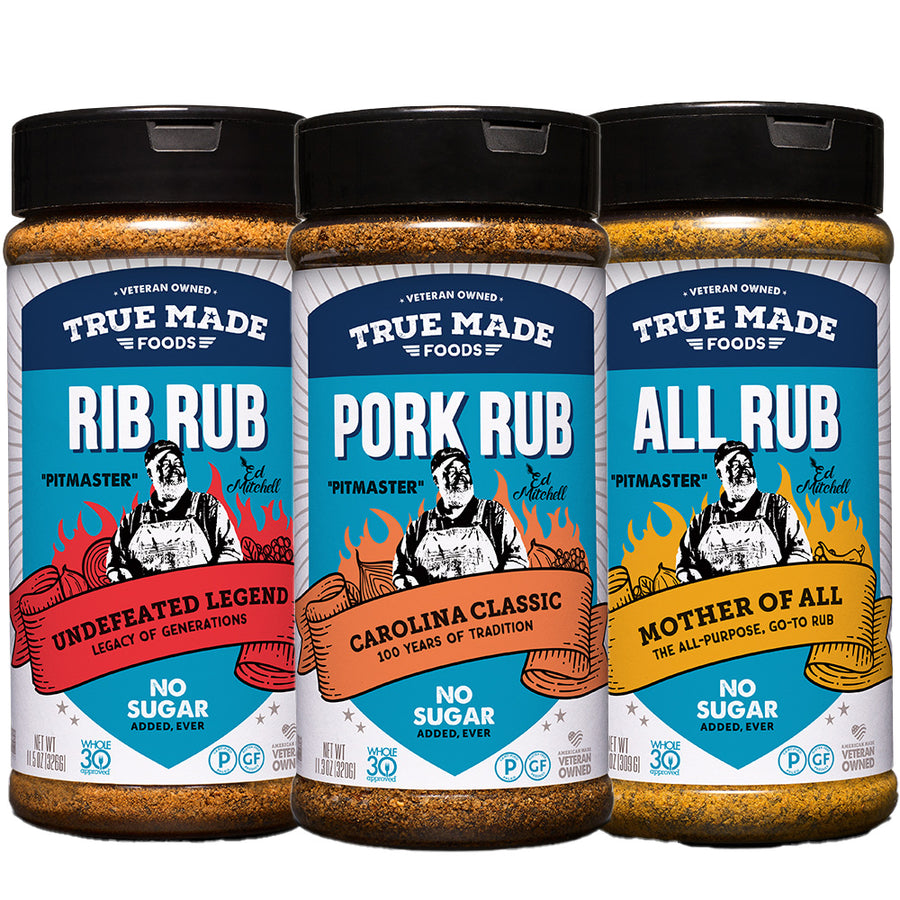
True Made Foods BBQ rubs are made with real spices and no added sugar, making them an excellent choice for building flavorful bark without relying on added sweeteners.

The Smoking Process, Step by Step
Get your smoker up to temperature before adding the meat. Placing cold meat into an unstable smoker makes temperature control much more difficult. Aim to maintain a steady temperature between 225°F and 250°F throughout the cook.
Avoid opening the lid unless necessary. Every time you lift it, heat and smoke escape, increasing cook time. Cook to internal temperature rather than time. If the meat stalls, wrap it in butcher paper or foil to help retain moisture.
When the meat reaches its target internal temperature, remove it from the smoker and let it rest before slicing. Resting allows the juices to redistribute throughout the meat, resulting in a more tender final product.
If you're smoking larger cuts like pork shoulder or brisket, consider using a water pan. It helps stabilize cooking temperatures and creates a more consistent cooking environment, especially for beginners.
Common Beginner Mistakes and How to Avoid Them
Smoking meat takes patience, and most beginners make the same few mistakes. Fortunately, they're easy to avoid.
-
Using too much wood: More smoke doesn't create better flavor. Thick white smoke often leads to bitter meat. Aim for a thin, light blue smoke whenever possible.
-
Opening the smoker too often: Every peek lets heat and smoke escape, extending the cook.
-
Cooking by time instead of temperature: Every cut cooks differently. Trust your thermometer instead of the clock.
-
Skipping the resting period: Resting for at least 15 to 30 minutes, depending on the cut, helps keep the meat juicy when sliced.
Keeping these simple habits in mind will improve every cook, whether you're smoking chicken for dinner or tackling your first pork shoulder.
FAQs
Do I need a real smoker, or can I use my grill?
No. A kettle grill or gas grill can work well for smoking. Set up indirect heat and add wood chips or chunks near the heat source to produce smoke.
How long does smoking meat actually take?
It depends on the cut. Chicken thighs take about 2 to 3 hours, spare ribs 5 to 6 hours, and pork shoulder or brisket 8 to 12 hours. Always cook to internal temperature, not time.
Can I use BBQ sauce while smoking?
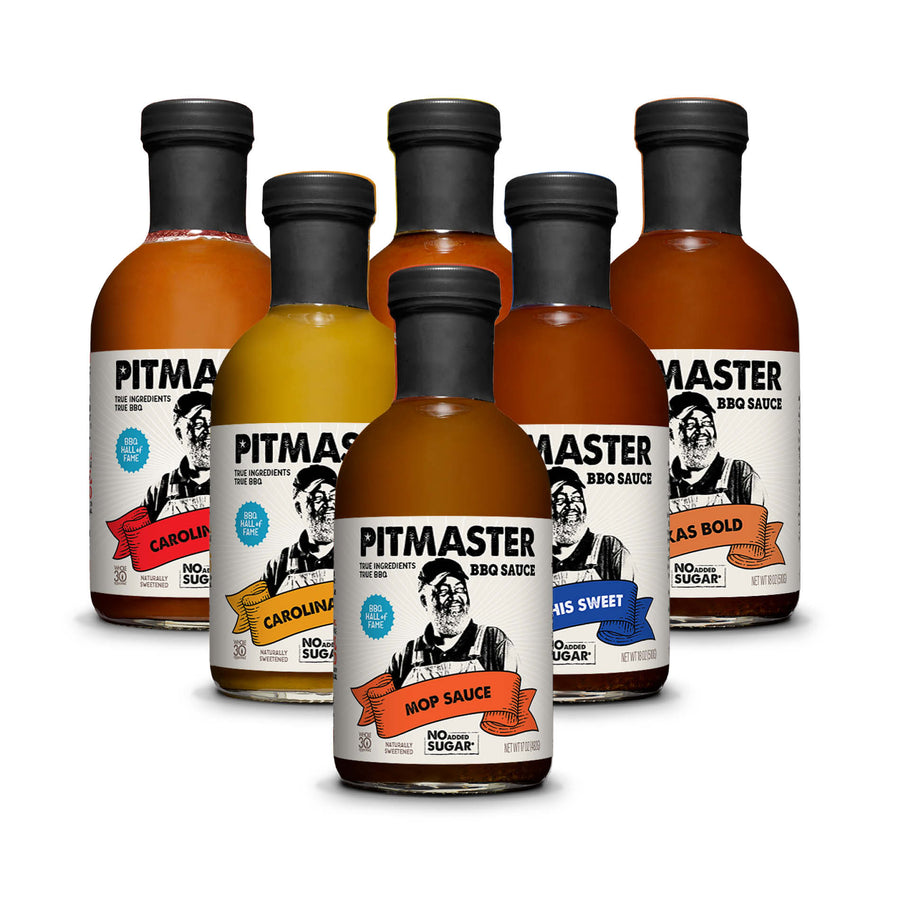
Yes, but apply it only during the last 30 to 45 minutes. A no-added-sugar BBQ sauce, like True Made Foods BBQ sauces, helps prevent burning while adding a balanced finish.
What internal temperature does the meat reach to mean it is done?
Use a meat thermometer for accuracy. Chicken should reach 165°F, pulled pork 195 to 205°F, and brisket 195 to 205°F for the best texture.

Start Simple, Cook Often, and Let the Smoke Do the Work
Smoking meat at home is a skill that improves with every cook. The first smoke teaches you your equipment. The second teaches you temperature management. Before long, maintaining steady heat and choosing the right wood become second nature.
The right rub and the right wood create most of the flavor from the very beginning. Real BBQ doesn't need added sugar to taste great. It needs quality ingredients, patience, and a little practice.
Ready to elevate your next smoke? Explore True Made Foods' collection of BBQ rubs and BBQ sauces, made with real ingredients and no added sugar.


