


The words "all natural seasoning" on a spice blend feel like a green light. Something wholesome. Something you can feel good about shaking over chicken or rubbing into ribs before the weekend grill.
But that label doesn't actually guarantee much. Once you understand what "natural" does and doesn't mean on a seasoning label, you'll start reading the back of the package a lot more carefully.
In this guide, we'll break down what "natural" really means, what to watch for on ingredient labels, and how to choose a cleaner seasoning blend.
What Does "Natural" Actually Mean?
The FDA has an informal policy describing "natural" as meaning nothing artificial or synthetic was added. However, it's not a strict legal standard for seasoning blends.
That means two products can both be labeled "all natural" while containing very different ingredients. One may be a simple mix of spices and herbs, while another may include added sugar, flavor additives, or processing aids.
That's why the front of the package often tells you less than the ingredient list.
Understanding "Natural Flavors"
When you flip a BBQ seasoning over and see "natural flavors" in the ingredient list, it sounds harmless enough. Generally speaking, “natural flavors” are ingredients derived from plant or animal sources that are used primarily for flavor rather than nutrition.
The practical issue is that "natural flavor" tells you very little about what that flavor actually is or where it came from.
Compare that to a blend listing paprika, garlic, cumin, and black pepper. Those are ingredients you can recognize. "Natural flavor" is a category, not a specific ingredient.
That's why many shoppers looking for a clean seasoning or BBQ rub prefer ingredient lists that clearly spell out what's inside.
Watch for Added Sugar
Sugar showing up in a BBQ rub or dry seasoning blend is more common than most people expect. It adds color during cooking, balances heat, and helps create a caramelized crust on grilled meat.
That all sounds reasonable until you realize how quickly it can add up, especially when the seasoning is labeled "all natural," and you're not actively looking for it.
Sugar can appear under several names, including:
- Dextrose
- Cane sugar
- Brown sugar
- Turbinado sugar
- Maltodextrin
None of these ingredients are necessarily hidden, but they're easy to overlook when you're focused on front-of-package claims.
"All natural" does not mean sugar-free, and for families trying to reduce added sugar, that's an important distinction.
If you're regularly seasoning pork, chicken, or ribs, choosing a healthy pork seasoning with simple ingredients can help reduce unnecessary added sugars without sacrificing flavor.

How Much Sugar Is in BBQ Seasoning?
Sugar content in dry rubs and spice blends varies widely. Some contain less than a gram per serving, while others can contain several grams.
That may not sound like much until you consider how seasoning is actually used. A rack of ribs, pork shoulder, or large batch of chicken can require several tablespoons of rub. Add a sweetened BBQ sauce on top, and the sugar adds up quickly.
Checking the Nutrition Facts panel is the simplest way to see how much added sugar you're actually getting per serving.
Read the Ingredients, Not the Claims
Once you stop relying on front-of-package marketing claims, the ingredient list becomes a much better indicator of quality.
A clean seasoning blend often includes:
- Spices such as paprika, cumin, and chili peppers
- Sea Salt
- Dried vegetables
- Herbs
- Garlic and onion
Short, recognizable ingredient lists typically tell you more than phrases like "all natural" ever will. On the other hand, long ingredient lists packed with multiple sweeteners, flavor additives, and unnecessary fillers may be worth a closer look.
The best seasoning blends don't need shortcuts because the ingredients are already doing the work. That’s why many shoppers looking for clean ingredients prefer all-natural BBQ rubs with simple, recognizable ingredient lists.
Choosing a Better Seasoning Blend
In the spice aisle, the front label is marketing. The back label is information.
Look for ingredients you can picture: smoked paprika, garlic, onion powder, chili pepper, black pepper, and herbs. If the ingredient list reads more like a chemistry experiment than a recipe, that's worth paying attention to.
Also pay attention to ingredient order. Ingredients are listed by weight, so if sugar appears near the top of the list, there's likely a significant amount in the blend.
A truly great seasoning should deliver flavor from real ingredients, not rely on sugar to do the heavy lifting.
If you’re new to grilling, beginner-friendly BBQ tips can help you understand how seasoning, rubs, and sauces work together to build flavor.
FAQs
Is all natural the same as organic?
No. Organic is a USDA-regulated certification with specific requirements around farming practices and production methods. "Natural" does not have the same regulatory standard.
Does natural seasoning mean no preservatives?
Not necessarily. The term "natural" does not automatically exclude preservatives, anti-caking agents, or other processing aids.
Can sugar-free seasoning still taste good?
Absolutely. Spices, herbs, peppers, garlic, and dried vegetables can create plenty of flavor without relying on added sugar.

Read the Back, Not the Front
The phrase "all natural seasoning" can be a helpful starting point, but it shouldn't be the deciding factor.
The ingredient list tells the real story. Taking a few extra seconds to check for added sugar, flavor additives, and recognizable ingredients can help you choose a seasoning blend that aligns with your goals.
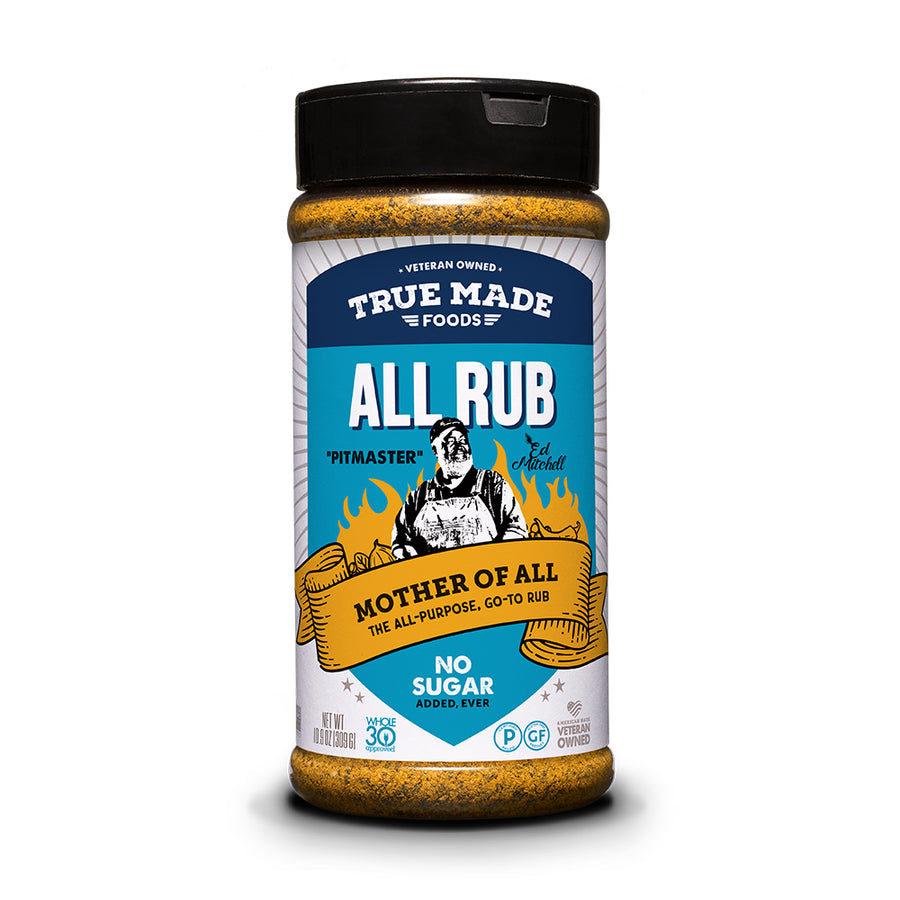
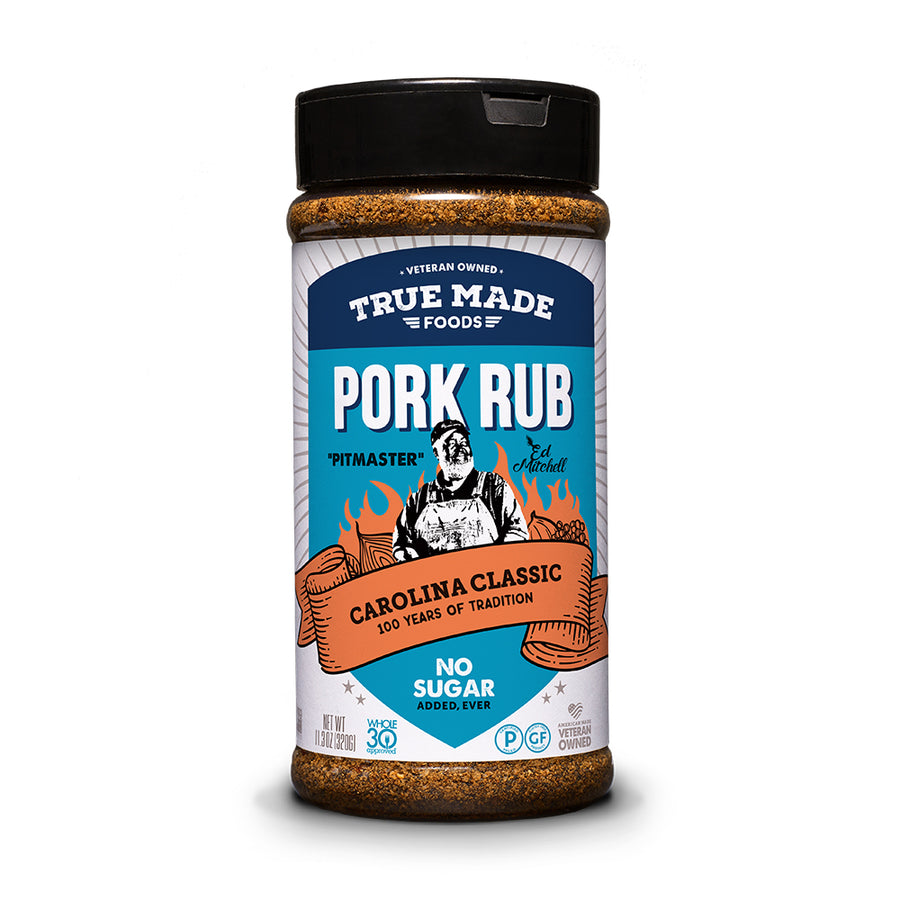
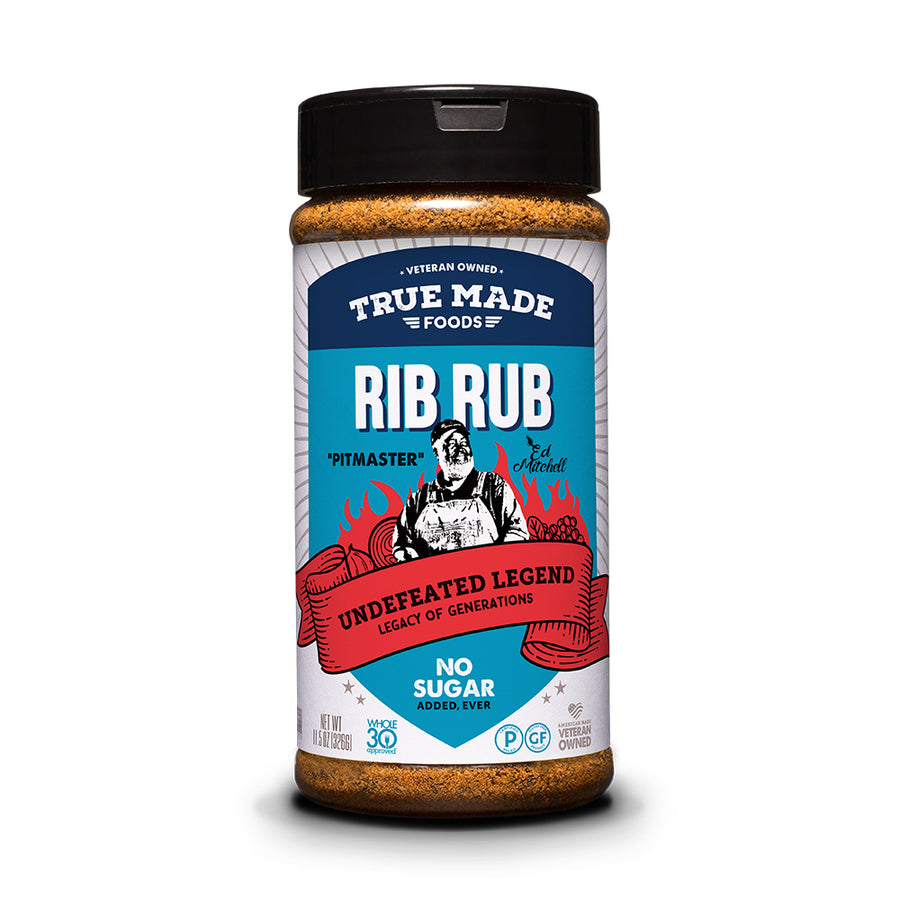
If you're looking for a BBQ rub made with real ingredients and no added sugar, explore True Made Foods' BBQ rubs and seasonings. Great flavor starts with what's actually in the blend.


