


Beef does not need much to taste good. The right cut, a hot grill or smoker, and a well-built beef seasoning can create plenty of flavor without relying on sugar. The trick is knowing which spices work together, when to season, and how to build a crust without letting sweetness take over.
In this blog, we’ll cover the basics of beef seasoning, how to choose a natural BBQ seasoning, and the best ways to season everything from burgers to brisket.
Why Beef Seasoning Matters
Beef already brings deep, savory flavor, so seasoning should enhance it rather than cover it up. Salt is the foundation because it helps bring out the meat’s natural flavor. Black pepper adds bite, while garlic, onion, paprika, and chili bring additional layers.
Sugar often appears in commercial BBQ rubs because it can encourage browning and add sweetness. But it is not essential for creating a flavorful crust. A well-balanced blend of spices can give beef plenty of character without added sugar.
For steaks, burgers, brisket, and other cuts, the goal is simple: build flavor that complements the beef instead of overpowering it.
The Best Ingredients for Beef Seasoning
A good beef seasoning does not need a long ingredient list. Start with a few dependable spices and adjust based on the cut and cooking method.
Salt and Black Pepper
Salt and pepper are the classic foundation for beef. Use enough salt to season the meat properly, while black pepper adds a warm, slightly sharp flavor that works especially well on grilled and smoked beef.
Garlic and Onion
Garlic powder and onion powder add savory depth without introducing sweetness. They work particularly well in burgers, steaks, ribs, and brisket rubs.
Paprika and Chili
Smoked paprika adds color and subtle smokiness, while chili powder or cayenne can bring heat. Use them according to the intensity you want.
Cumin and Mustard Powder
Cumin adds earthy warmth, while mustard powder contributes tangy complexity. Both can make a natural BBQ seasoning more interesting without relying on sugar.
Once you have the right blend, the next step is using it correctly. The cooking method you choose can affect how the seasoning develops, browns, and contributes to the final crust.
How to Build a Natural BBQ Seasoning for Beef
The best natural BBQ seasoning starts with recognizable spices rather than sweeteners or unnecessary fillers. A simple blend might include:
-
Salt
-
Black pepper
-
Garlic powder
-
Onion powder
-
Smoked paprika
-
Chili powder
-
Cumin
You do not need every ingredient for every cut. A steak may only need salt, pepper, and garlic. Brisket can handle a stronger pepper-forward blend. Burgers work well with garlic, onion, paprika, and black pepper.
When shopping for a commercial rub, check the ingredient list. Look for recognizable spices and watch for added sugar, brown sugar, dextrose, or other sweeteners if you want a no-added-sugar option.

Beef Seasoning by Cooking Method
The cooking method changes how your seasoning performs.
Grilling
For steaks and burgers, apply seasoning shortly before grilling. A hot grill creates a flavorful crust, while a sugar-heavy rub can burn quickly over direct heat.
Smoking
Brisket and other large cuts benefit from a generous layer of seasoning. Pepper, garlic, paprika, and other savory spices can develop a flavorful bark during a long smoke without depending on sugar.
Roasting
For oven-roasted beef, season the exterior evenly before cooking. Garlic, onion, black pepper, and herbs work especially well with roasts.
Air Frying
Smaller beef cuts and burgers cook quickly in an air fryer, so use a lighter coating of seasoning. Avoid heavily sweetened rubs, which can brown too quickly.
Whether you are grilling, smoking, roasting, or air frying, match the seasoning to the heat and cooking time. A well-chosen beef rub can build a flavorful exterior while keeping the beef itself at the center of the dish.
How Much Beef Seasoning Should You Use?
There is no single amount that works for every cut. The size of the meat, the type of seasoning, and your cooking method all matter.
For steaks and burgers, season evenly enough to cover the surface without creating a thick layer. Larger cuts such as brisket can handle more seasoning because the rub needs to cover a greater surface area.
If the seasoning contains a significant amount of salt, avoid piling it on simply to increase flavor. Instead, build complexity with spices such as garlic, pepper, paprika, and cumin.
When Should You Season Beef?
For quick-cooking cuts, seasoning shortly before cooking is usually enough. For larger cuts, applying the rub several hours in advance can give the seasoning more time to work its way across the surface.
Keep one important distinction in mind: dry seasoning is different from a marinade. A dry rub creates a seasoned exterior, while a marinade adds moisture and often includes acidic ingredients.
For BBQ, dry seasoning is particularly useful because it helps create the bark and crust that make grilled and smoked beef so satisfying.
Beef Seasoning Mistakes to Avoid
A few common mistakes can keep a good seasoning blend from reaching its full potential.
Using too much seasoning can overwhelm the beef, particularly with leaner cuts. Applying a sweet rub over very high heat can also cause premature browning or burning. And skipping the ingredient list on packaged rubs can mean adding sugar without realizing it.
The simplest approach is often the best: start with quality beef, season it evenly, control your heat, and let the meat do the rest.
FAQs
What is the best seasoning for beef?
Salt and black pepper are the classic starting point. Garlic, onion, paprika, chili, cumin, and mustard powder can add more depth depending on the cut and cooking method.
Does beef seasoning need sugar?
No. Sugar can contribute sweetness and browning, but beef can develop a flavorful crust from heat and spices without added sugar.
What is a natural BBQ seasoning?
A natural BBQ seasoning is typically a spice blend centered on recognizable ingredients such as paprika, garlic, onion, pepper, chili, and cumin. Always check the actual ingredient list rather than relying only on front-label claims.
When should I season beef?
For steaks and burgers, seasoning shortly before cooking works well. Larger cuts such as brisket can be seasoned several hours ahead to develop more surface flavor.

Let the Beef Do the Talking
Great beef seasoning does not need to be complicated. A thoughtful combination of salt, spices, and heat can create the savory crust and depth you want without reaching for added sugar.
Whether you are grilling burgers, smoking brisket, or roasting beef for dinner, start with real spices and let the meat remain the star.
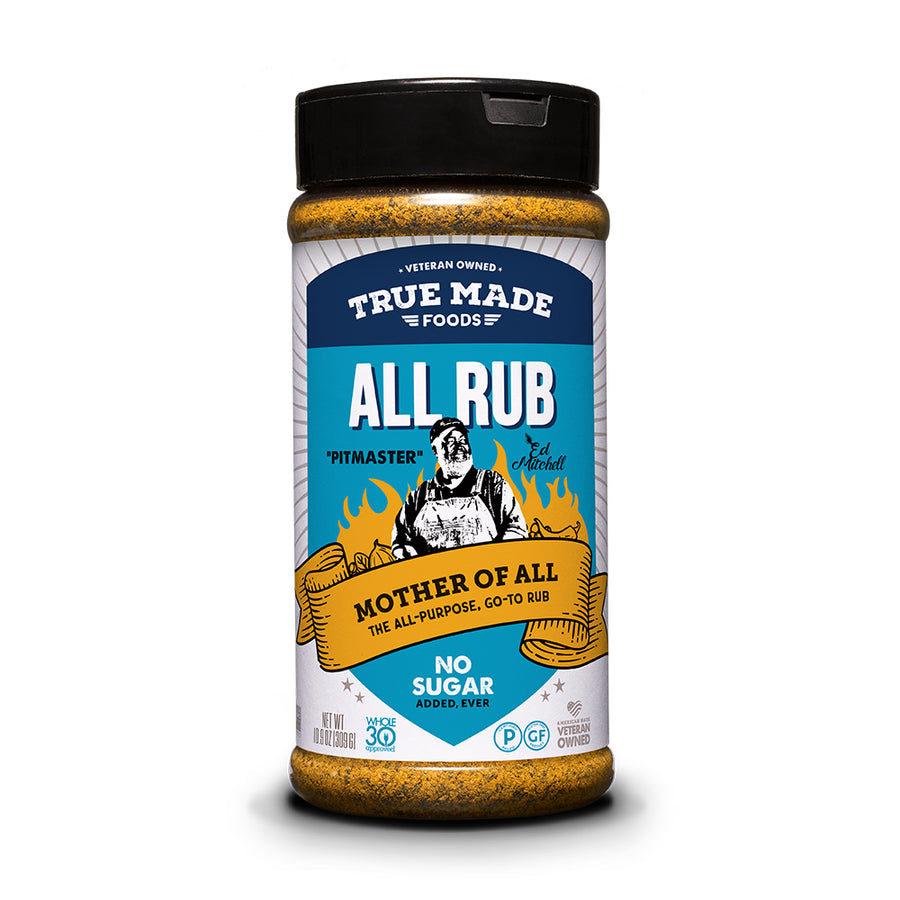
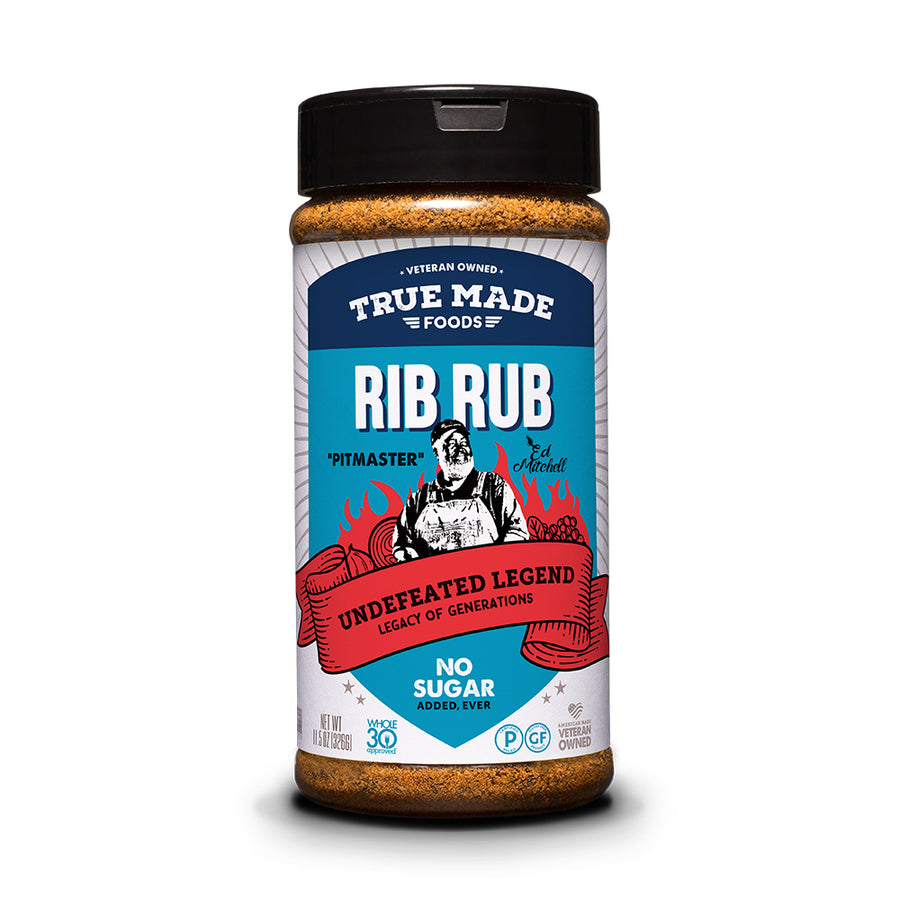
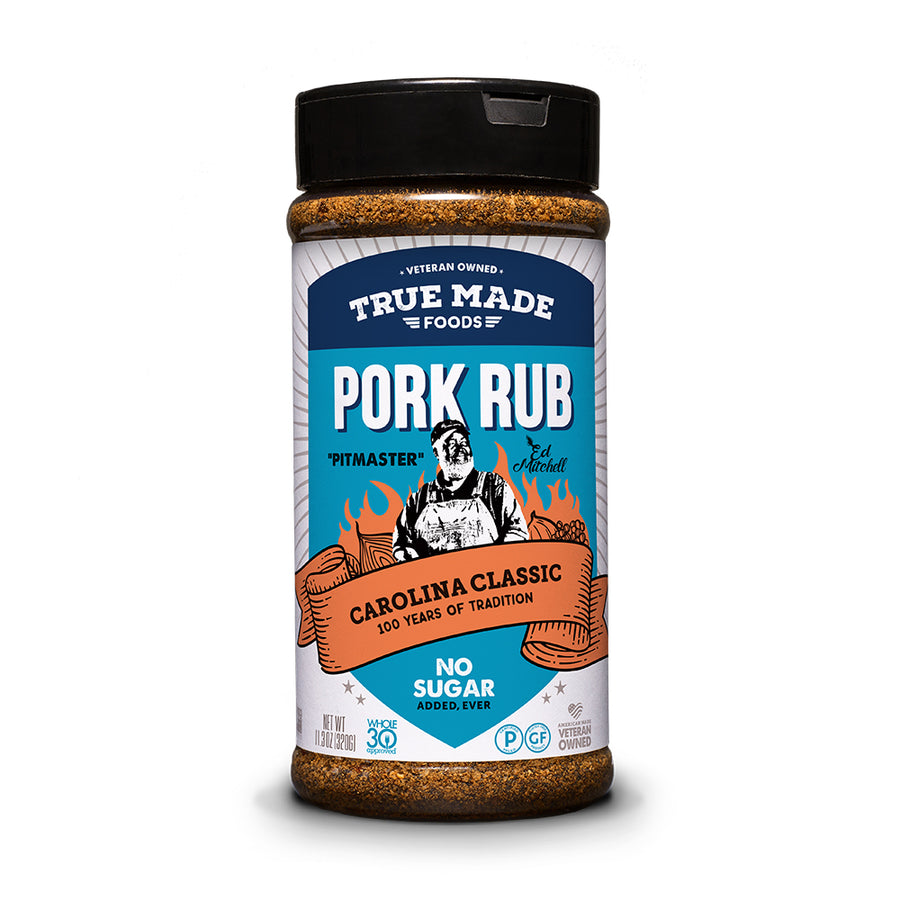
Explore True Made Foods BBQ Rubs for bold flavor without added sugar.


